
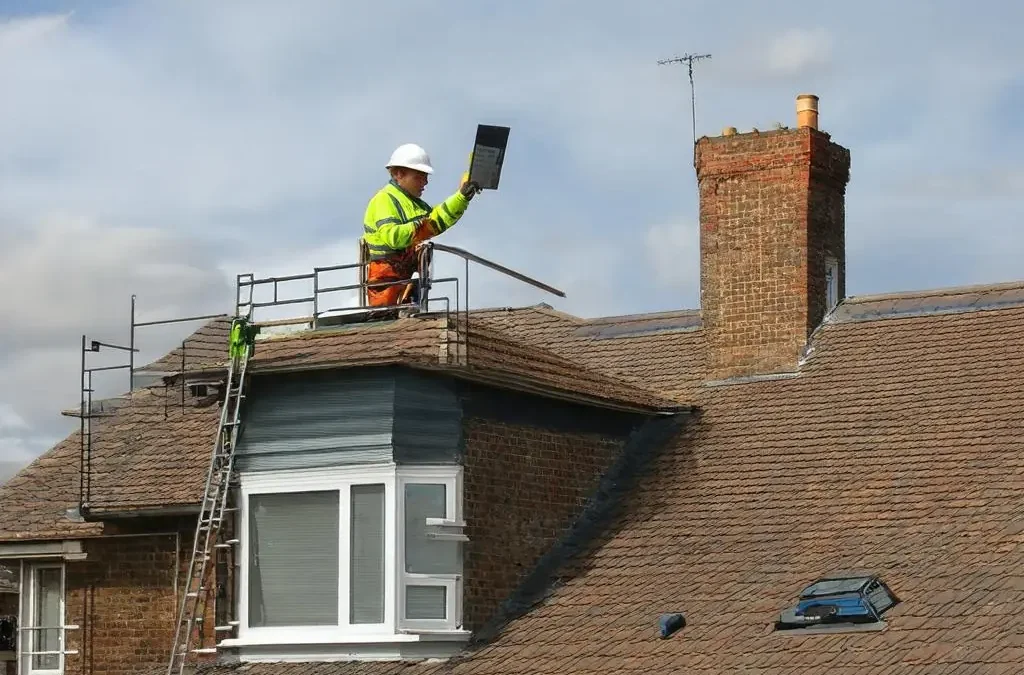
For homeowners and business owners across Greater Manchester, North Yorkshire, and surrounding areas, choosing a roofer is a decision with long-term implications for safety, property value, and cost. Consumer awards and strong customer reviews are useful indicators of workmanship and service because they reflect performance over time, not just a single job. Awards often evaluate companies on multiple criteria—customer satisfaction, consistent quality, reliability, and value—while reviews provide real‑world feedback about punctuality, communication, problem‑solving, and aftercare.
When using third‑party feedback, prioritise sources that are independent and transparent about their verification processes. High volumes of recent reviews across platforms (e.g., Google, trade directories, or industry bodies) are more meaningful than a handful of older testimonials. Read beyond star ratings: look for detailed comments about similar projects to yours—flat roofs in EPDM or GRP, slate repairs after storms in Stockport, or full re‑roofs on period properties in York or Harrogate. A contractor’s professional response to the occasional negative review also signals accountability and a commitment to putting issues right.
Awards and reviews should narrow your shortlist, but they are only part of due diligence. Before instructing any contractor, verify the essentials that underpin safe, compliant, and durable roofing work.
What credible awards assess—and what you should verify
Well‑regarded consumer and industry awards typically examine:
- Customer satisfaction: independent feedback, complaint handling, and aftercare.
- Quality: materials used, installation standards, and workmanship consistency.
- Reliability: attendance, meeting deadlines, tidiness, and communication.
- Value: fair, transparent pricing and a clear scope of work.
Your verification checklist should include the following evidence:
- Public liability insurance: Request a current certificate showing adequate cover for roofing works (often at least £1–5 million). Confirm the policy dates and scope with the insurer if needed.
- Written guarantees: Obtain guarantees for both labour and materials, with durations specified (e.g., 10–20 years for many new flat systems, shorter for repairs). Clarify what triggers warranty coverage, exclusions, and whether guarantees are transferable if you sell the property.
- Qualified teams: Ask about qualifications (e.g., NVQ Level 2/3 in Roofing, CSCS cards), manufacturer approvals for specific systems (EPDM, GRP, single‑ply), and evidence of ongoing training. Memberships of recognised schemes (e.g., TrustMark, NFRC CPS) indicate commitment to standards and building regulations compliance.
- Clear contracts: Ensure you receive a written contract or acceptance document with a defined scope of work, materials specifications, programme/timeframe, payment schedule, and terms for variations or unforeseen issues.
In addition, confirm health and safety practices (risk assessments, method statements), DBS/identity checks for residential sites where needed, and evidence of local authority or building control notifications where applicable.
What transparency looks like—and how to compare quotes like‑for‑like
Transparent roofing companies make it easy for you to understand what you are buying and why it costs what it does. Expect:
- Free site surveys and no‑obligation quotes.
- Itemised proposals that set out materials, labour, access (scaffolding/towers), waste disposal, and any provisional sums.
- No hidden fees—VAT clearly stated, travel or emergency surcharges disclosed, and any allowances explicit.
- A defined scope of work—detailing substrate preparation, underlay or vapour control layers, insulation levels (to meet Part L where relevant), fixings, ventilation provisions, edge details/flashings, and finishing systems (e.g., dry ridge/verge).
For meaningful comparisons, ensure each quote covers the same specification. Ask bidders to confirm:
- Flat roofs: system type (EPDM rubber, felt/bituminous membranes, fiberglass/GRP, asphalt, single‑ply), number of layers, thicknesses, manufacturer, and warranty length.
- Pitched roofs: slate or tile type/grade, underlay/ battens specification, ventilation strategy, ridge/verge method (traditional vs dry ridge/verge systems), and any leadwork.
- Associated works: chimney repairs/rebuilds, fascia/soffit/guttering replacement (e.g., uPVC), moss removal, and remedials to rafters or decking if discovered.
- Access and compliance: scaffolding design and duration, temporary protection/overboarding, traffic management (for commercial sites), building regulations notifications, and final sign‑off.
Typical cost signals in the region (always dependent on size, materials, access, and complexity):
- Minor repairs: often from the low hundreds of pounds (e.g., ~£100+ for small leaks or broken tiles/slates).
- Emergency callouts: from a few hundred pounds (e.g., ~£350+ for 24/7 attendance and temporary make‑safe).
- Full re‑roofs: into the thousands, scaling with roof area, material choice (e.g., natural slate vs interlocking tiles), insulation upgrades, and details like valleys, dormers, or complex roof geometry.
Be cautious of unusually low quotations if they omit scaffolding, proper ventilation, or waste disposal. A credible roofer will walk you through cost drivers, show product data sheets, and offer manufacturer‑backed options at different price points.
Practical vetting checklist for Greater Manchester, North Yorkshire, and nearby areas
Use this structured checklist to shortlist and appoint the right contractor for domestic or commercial projects in Manchester, York, Stockport, Harrogate, Malton, and surrounding communities:
-
Response capability
- 24/7 emergency support available; ask typical response times and whether “make‑safe” attendance can be within an hour for urgent storm damage.
- Clear communication channels (phone answered, prompt call‑backs, email confirmations).
-
Track record and local presence
- Years in business (longstanding firms—20+ years—indicate stability and repeatable processes).
- A strong footprint in your area with verifiable local projects and references.
-
Portfolio breadth
- Flat roofing: demonstrated installations and repairs in EPDM rubber, felt/bituminous systems, fiberglass/GRP, asphalt, and single‑ply membranes, with manufacturer accreditations where applicable.
- Pitched roofing: slate and tiled roofs, including valleys, hips, dormers, and conservation work.
- Associated specialties: chimney repairs/rebuilds, re‑roofing as a cost‑effective option for aging roofs, fascia/soffit/guttering replacements (uPVC or alternatives), dry ridge/verge systems, and moss removal.
-
Compliance and site management
- Public liability insurance certificates and written guarantees for labour and materials.
- Scaffolding included, with competent erection and edge protection suited to the site.
- Waste disposal planned (skips included, licensed waste carrier, waste transfer notes if requested).
- Building regulations compliance (e.g., insulation/ventilation to Part L/C; appropriate notifications or self‑certification via a recognised Competent Person Scheme).
- Risk assessments/method statements; safe access/egress; protection of occupied areas and neighbouring properties.
-
Quotations and contracts
- Free site survey, photographs of defects/findings, and a written, itemised quote.
- Defined scope, product makes/models, and warranty durations.
- Payment terms that align with milestones; no large upfront cash demands for routine works.
- Clear terms for variations, unforeseen timber repairs, and weather delays.
-
Verification of reputation
- High volumes of recent reviews on independent platforms; read narrative detail, not just star ratings.
- Recognition in consumer or trade awards that publish transparent criteria (customer satisfaction, reliability, quality, value).
- Willingness to provide contactable references and before/after project photos.
This approach helps you select a roofer capable of handling everything from minor leak repairs and dry verge upgrades to full commercial flat‑roof overlays, while ensuring safety, compliance, and predictable costs.
Maintenance schedules—and when to call for urgent storm‑damage repairs
Even the best roof requires planned maintenance. Adopting a proactive schedule reduces lifecycle costs and minimises disruption:
- Twice‑yearly inspections (spring and autumn) to check for slipped slates/tiles, cracked flashings, perished seals, and debris accumulation.
- Gutter, fascia, and soffit checks and cleaning—particularly important in leafy areas around Greater Manchester and North Yorkshire where blockages are common.
- Flat roof care: surface checks for punctures, blisters, or ponding; keep outlets clear; verify that edge trims and terminations remain sound.
- Moss control on pitched roofs where growth is heavy; opt for appropriate removal methods and consider preventative treatments.
- After any severe weather event (high winds, heavy rain, hail, or snow), carry out a visual check or request an inspection—especially for older roofs or those previously repaired.
Call for urgent, 24/7 assistance if you notice:
- Active leaks or water ingress, ceiling bulging, or electrical hazards.
- Missing slates/tiles or exposed underlay after high winds.
- Lifted or torn flat‑roof membranes, unsecured flashings, or displaced ridge tiles.
- Chimney instability, cracked pots, or dislodged brickwork.
- Sagging areas or sudden structural changes.
A reputable roofer will prioritise “make‑safe” measures quickly—temporarily tarpaulining or isolating the affected area—then provide a clear, itemised plan for permanent repairs with transparent pricing. Documenting storm damage with photographs can assist insurance claims, and seeking prompt professional attention helps prevent secondary damage to interiors and structure.
By combining the signals from consumer awards and reviews with rigorous verification, transparent quoting, and sensible maintenance, property owners in this region can appoint the right roofer with confidence, protect their assets, and achieve durable, compliant, and cost‑effective results.